
 Photo: [photographer]
One of the most historic places in Lofoten, with a story connected to the sea and the cod fishery for more than 1,000 years. Harbour life, wooden houses, a cathedral and mountains.
Varies
Soft harbour light
Calm evening tones
Easy
All year
Village · Harbour · Historic
Quiet setting · Local life · Subtle light
Kabelvåg is one of the most historic places in Lofoten, with a story deeply connected to the sea and the cod fishery that shaped Northern Norway for more than 1,000 years. Known in the Middle Ages as Vågar, Kabelvåg grew into one of the largest and most important fishing villages in Northern Norway. Fishermen, merchants and even kings came here during the winter cod season, as the rich fishing grounds around Lofoten turned the village into an important centre for the stockfish trade with Europe.
The area's history stretches even further back. Lofoten's first church was built here around 1103, followed by some of the earliest fishermen's cabins, or rorbuer, around 1120. Today, the impressive Vågan Church, known as Lofoten Cathedral, stands as a reminder of Kabelvåg's religious and cultural importance.
But Kabelvåg is not only about its past. Today, it is a lively local community with a strong arts, culture and education scene, alongside museums, galleries and an aquarium. For photographers, the village offers a fascinating mix of historic buildings, harbour life, mountains and everyday Lofoten culture.
A slower walk from the harbour to the cathedral to Storvågan, with small details, a fishing boat, an old doorway, a mountain between the houses, doing the work.
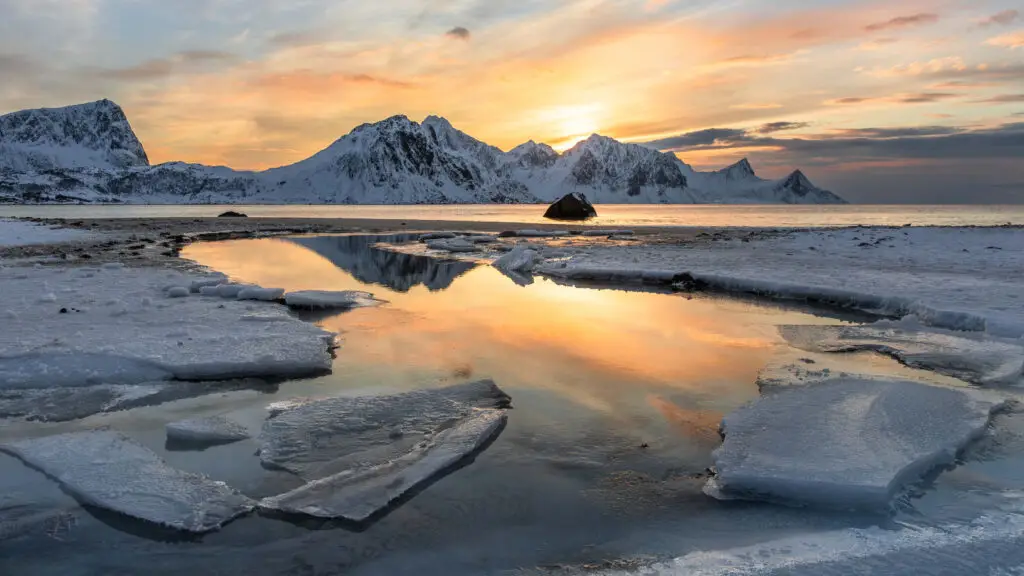 Photo: [photographer]

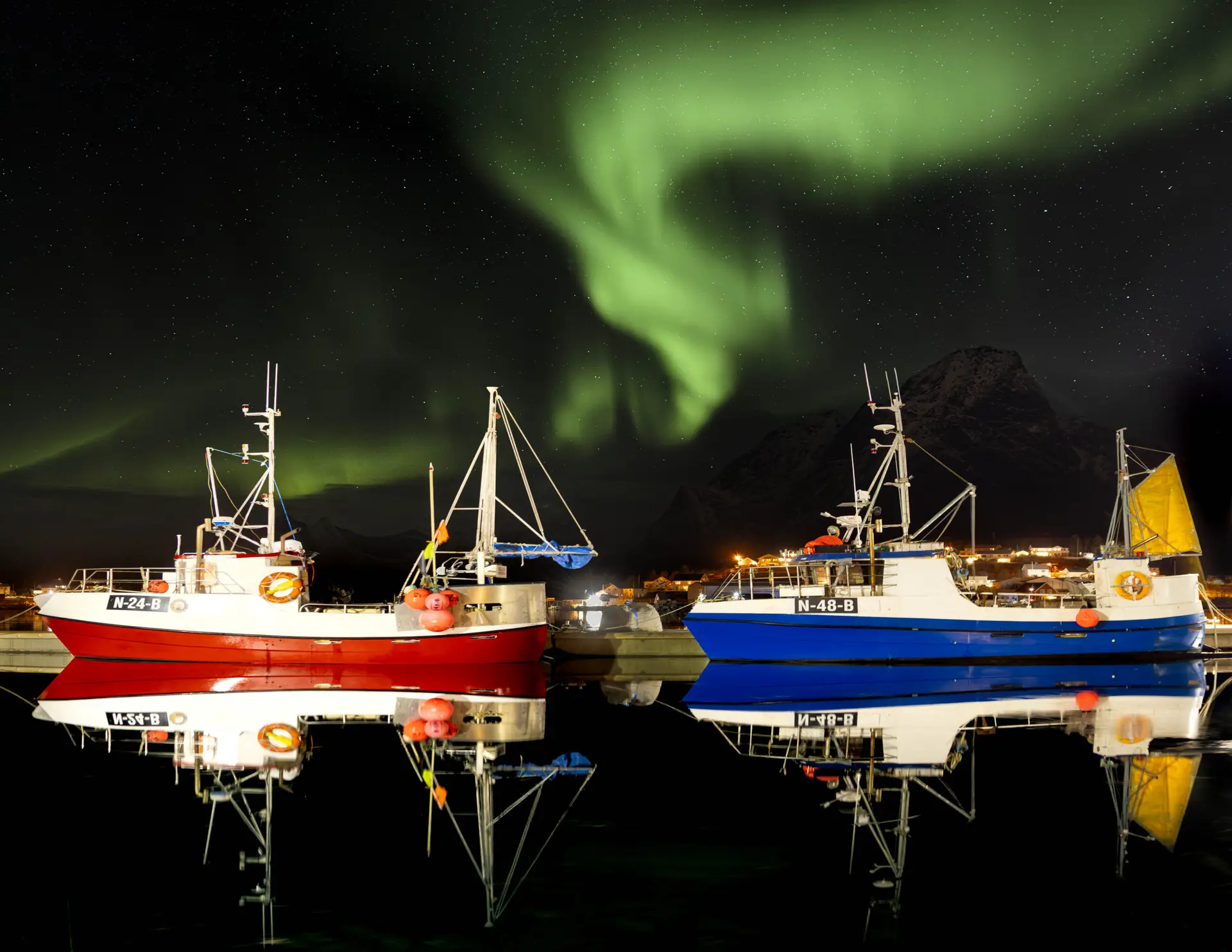
Walk around the harbour and the wooden houses surrounding the village square. This is one of the best areas for capturing the character of Kabelvåg without needing a hike. Look for boats, reflections, old buildings and everyday local life.
Open in Google Maps → A good elevated position for photographing the harbour, rorbuer and surrounding mountains. The combination of water, traditional buildings and dramatic peaks works particularly well with a longer lens.
Open in Google Maps →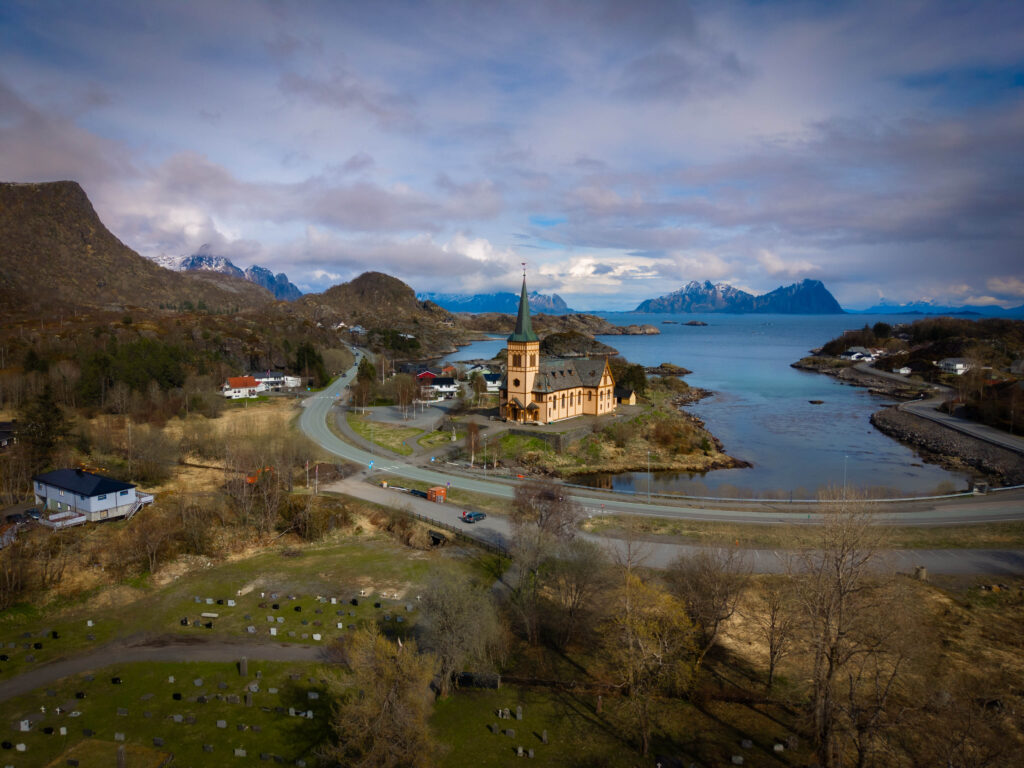
One of Kabelvåg's strongest architectural subjects. The wooden church stands beside Kjerkvågen and is particularly striking when photographed with the surrounding mountains behind it. Visit Lofoten notes that the present church was built in 1898 and is the largest wooden church north of Trondheim.
Open in Google Maps → Photo: Vanina Safaniuk A few minutes west of the centre, Storvågan brings together the SKREI complex, the Lofoten Museum, Lofoten Aquarium and Espolin Gallery. The waterfront and historic surroundings offer more opportunities for details, boats and traditional coastal architecture.
For the village itself, early morning and late evening work particularly well. Soft light brings out the textures of the old wooden buildings and creates reflections around the harbour. In summer, long, soft light and the midnight sun make the harbour and surrounding mountains possible to photograph at almost any hour. In autumn, look for low evening light, changing colours and the possibility of northern lights after dark. Winter brings blue hour, snow-covered mountains and the fishing season, a completely different atmosphere; the northern lights are also possible from late August through mid-April when conditions are right. In spring, snow can remain on the surrounding peaks while the village begins to brighten, creating strong contrasts between the mountains, water and wooden buildings.
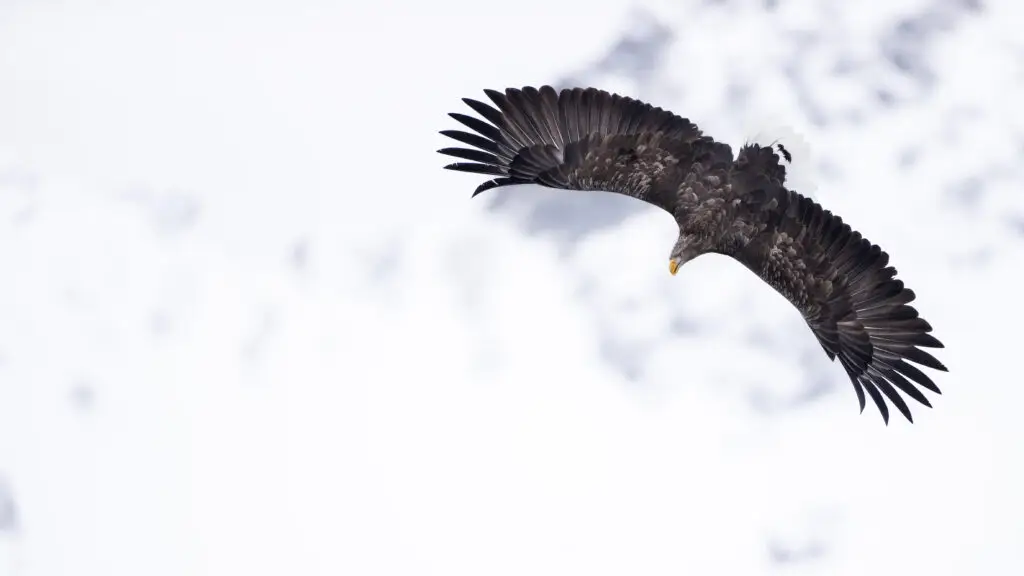 Photo: [photographer]
The village rewards a slower walk. Start around the harbour, continue towards the church and old wooden centre, then head west to Storvågan. Keep your camera ready for the small details: a fishing boat, an old doorway, reflections in the water or a mountain appearing between the houses.
Kabelvåg is a small village, but there is plenty to explore within a short distance.
Start with Vågan Church, known as Lofoten Cathedral, one of the village's most recognisable landmarks. From there, walk through the old centre and harbour, where traditional wooden buildings, boats and rorbuer give you a feel for Kabelvåg's fishing heritage. Continue towards Storvågan, the historic area just outside the village centre. This is where you will find the SKREI experience, bringing together the Lofoten Museum, Lofoten Aquarium and Espolin Gallery. It is a great place to learn more about the cod fishery, coastal culture and artistic history of Lofoten while exploring the waterfront surroundings.
Back in the village, Lofoten Glass is worth a stop for a glimpse of local glassblowing, while Gallery & Museum Lille Kabelvåg offers a large collection of art in a more intimate setting. If you want to see Kabelvåg from above, Glomtind provides a beautiful mountain viewpoint over the village and surrounding landscape. For a bigger panorama, the hike to Tjellbergtinden opens up views towards Kabelvåg, Svolvær, the Vestfjord and the surrounding mountains. For a first visit, allow time to simply walk around. Some of Kabelvåg's most interesting details are found between the main sights: old fishing buildings, small harbours, boats, workshops and everyday local life.
Kabelvåg has a good mix of places to stay, from traditional fishermen's cabins to simple hotels and camping. For the full Lofoten experience, Nyvågar is one of the most atmospheric options, with traditional rorbuer right by the water in Storvågan, surrounded by mountains. Skårungen is another popular choice, offering rorbuer, cabins, rooms and camping close to the sea. In the centre of Kabelvåg, Astra Village has waterfront rorbu cabins within walking distance of the village, while Lofoten Sommerhotell offers a simpler and more budget-friendly option. For a stay that feels connected to Kabelvåg's history and landscape, look for a rorbu by the water. Waking up with fishing boats, mountains and the harbour outside your window is part of the experience.
Restaurant Nyvågar is a natural stop, serving dishes inspired by North Norwegian ingredients in a historic waterfront setting. You can also head to Lofoten Loft Bar at Nyvågar for drinks and views over the water. At Skårungen, the on-site restaurant and café make it easy to combine a meal with a stay. In Storvågan, the new SKREI centre also has a restaurant and café, making it a convenient stop while visiting the museums, aquarium and galleries.
Plan the shoot around the sky. Local weather from yr.no, and a five-night aurora outlook with expected cloud cover.
Browse every location in the guide to plan the rest of your route.
Browse all locations